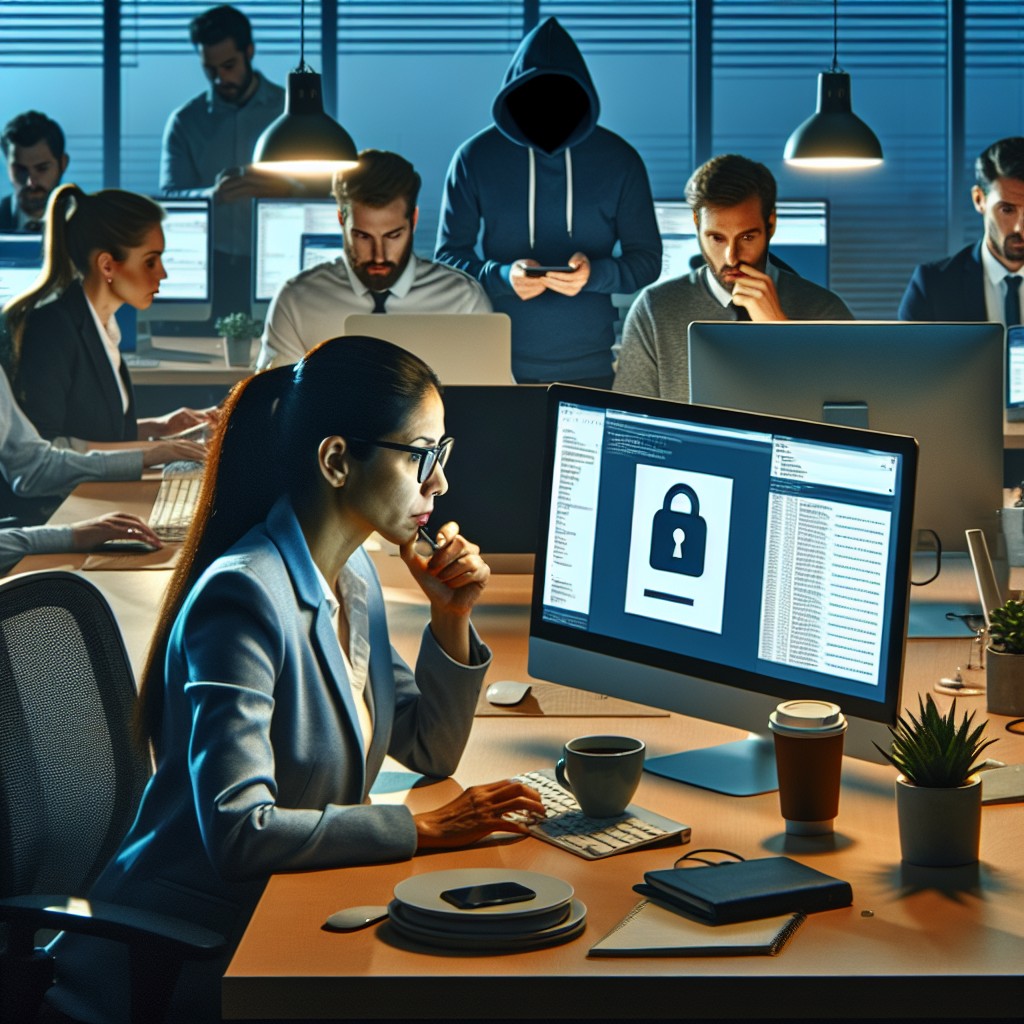
Phishing remains one of the most pervasive cybersecurity threats today, evolving constantly to bypass security measures and deceive users. As digital interactions increase across personal and professional spheres, understanding the current landscape of phishing attacks and how to identify them is more critical than ever.
Understanding Modern Phishing Techniques
Phishing attacks have grown more sophisticated, often employing tactics that are difficult for the average user to detect. While early phishing scams relied heavily on generic email messages with obvious spelling mistakes or suspicious links, modern techniques utilize highly personalized content known as spear phishing. These targeted efforts often draw from publicly available information to craft convincing messages that appear to come from trusted sources. Additionally, phishing now extends beyond email, infiltrating social media platforms, instant messaging apps, and even phone calls, a trend known as vishing.
The Role of Social Engineering in Phishing
Social engineering plays a significant role in the success of phishing campaigns. Attackers exploit human psychology by creating a sense of urgency or offering incentives that prompt users to act without thinking. For example, a phishing email may claim an account has been compromised and request immediate password changes through a provided link. Such techniques leverage fear or curiosity, manipulating victims into revealing sensitive information inadvertently. Recognizing the emotional triggers behind these messages can be a key step in avoiding phishing traps.
Common Indicators of Phishing Attempts
Despite increasing sophistication, some telltale signs remain when spotting phishing attempts. Unsolicited requests for personal information, inconsistent sender email addresses, and hyperlinks that do not match the purported destination are common red flags. Furthermore, emails with unusual grammar or oddly formatted text may signal phishing activity. Users should also be cautious of attachments from unknown senders, as these can contain malware intended to compromise devices.
The Growing Threat of Business Email Compromise
Business Email Compromise (BEC) represents a significant evolution in phishing, targeting companies to achieve financial gain and data theft. Attackers impersonate executives or trusted partners through compromised or spoofed email accounts, directing employees to transfer funds or disclose confidential information. The financial and reputational damage from BEC scams is substantial, often resulting in multi-million dollar losses. Combating such threats requires both technological defenses and thorough employee training focused on phishing awareness.
How Organizations Are Responding to Phishing
In response to the rising tide of phishing attacks, organizations worldwide are adopting multi-layered security strategies. These include implementing advanced email filtering, deploying multi-factor authentication, and conducting regular employee awareness programs. Cybersecurity authorities, such as the Cybersecurity and Infrastructure Security Agency (CISA), provide resources and alerts to help mitigate phishing risks. Moreover, collaboration between private sector companies and government agencies continues to enhance detection and response capabilities against evolving phishing tactics.
Phishing will undoubtedly remain a dynamic threat in the cybersecurity landscape. As attackers develop more convincing techniques, continuous education and technological innovation are essential defenses. Users and organizations that stay informed about the latest phishing trends and maintain vigilance are better equipped to prevent costly breaches and protect sensitive data.
Frequently Asked Questions about phishing
What is phishing and why is it still effective?
Phishing is a cyberattack method where scammers impersonate trustworthy entities to steal sensitive data. It remains effective due to its use of social engineering tactics that exploit human emotions and trust.
How can I identify a phishing email?
Phishing emails often request urgent action, contain suspicious links, or come from unknown senders. Checking for inconsistencies in email addresses and avoiding clicking on unexpected attachments can help identify phishing attempts.
Are phishing attacks only carried out through email?
No, phishing attacks now occur through various channels including social media, messaging apps, and phone calls, broadening the scope beyond traditional email phishing.
What steps can organizations take to defend against phishing?
Organizations can implement multi-factor authentication, use advanced email filtering solutions, and conduct regular employee training to effectively reduce the risk of phishing attacks.
Where can I find reliable information about phishing prevention?
Trusted sources like the Federal Bureau of Investigation (FBI) Cyber Crime Division provide authoritative guidelines and updates on phishing and cybersecurity best practices.